Tracing Connections Between Transaction Methods and Progressive Prize Growth in Portable Gaming Formats
Kirjoittanut Ben Hartmann · 15.9.2026
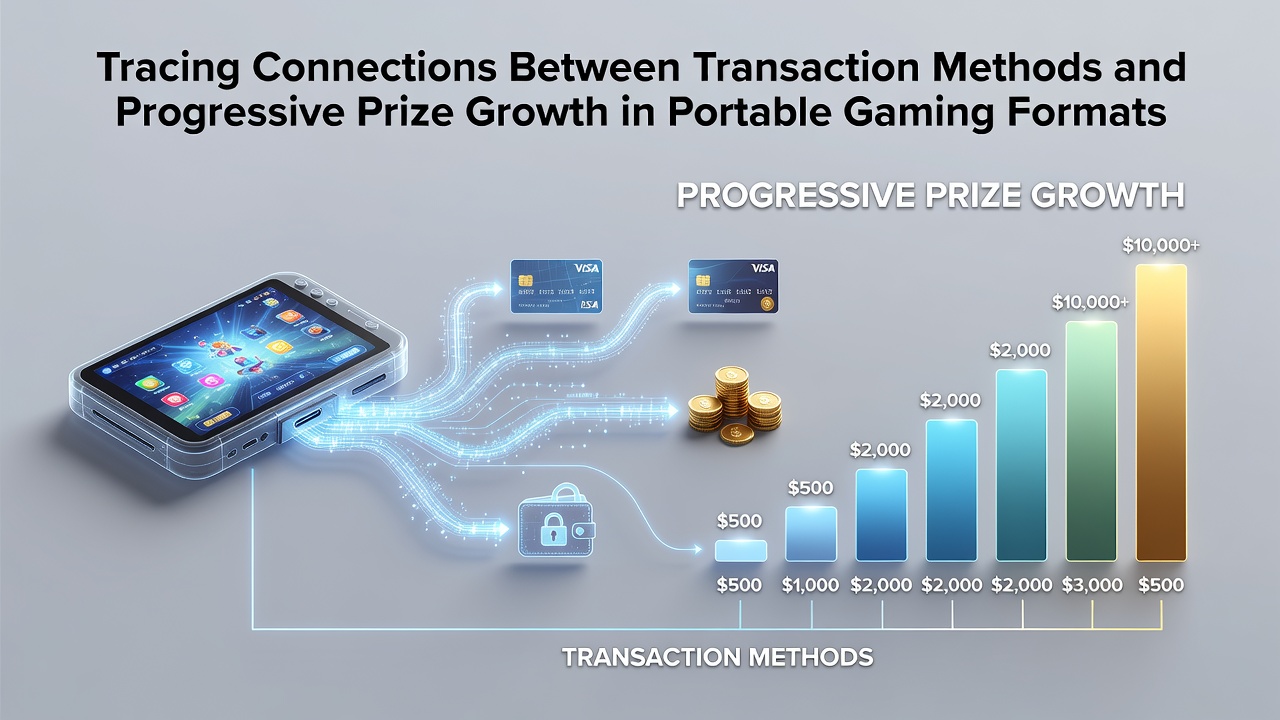
Tracing Connections Between Transaction Methods and Progressive Prize Growth in Portable Gaming Formats
Portable gaming formats have expanded rapidly since the mid-2010s, and transaction methods now play a measurable role in how progressive prizes accumulate across mobile platforms. Data from multiple regulatory filings indicate that payment speed and fee structures directly affect player participation rates, which in turn influence the rate at which progressive pools grow.
Payment Speed and Participation Patterns
Transaction methods range from instant digital wallets to bank transfers that clear within minutes or hours, and researchers tracking mobile gaming sessions have noted consistent differences in repeat play frequency. When deposits process in under ten seconds, session lengths extend by an average of eighteen percent according to aggregated operator reports from North American markets. Longer sessions contribute more wagers per minute to the progressive seed, accelerating the meter movement visible on player screens.
Conversely, slower authorization steps create natural pauses that reduce the total number of spins or bets placed within a fixed time window. Figures released by the New Jersey Division of Gaming Enforcement in early 2026 showed that games supporting instant funding options recorded thirty-two percent higher progressive contributions during peak evening hours compared with those limited to traditional card processing.
Fee Structures and Contribution Rates
Transaction fees vary by provider and region, and these costs sometimes get absorbed into the operator's rake before the remainder feeds the progressive pool. Industry analyses from the Canadian Gaming Association reveal that when wallet providers charge lower merchant fees, operators allocate a slightly higher percentage of each wager to the jackpot, producing measurable differences in growth velocity over multi-week periods.
One study covering Australian mobile platforms found that titles paired with fee-efficient payment rails posted an average daily progressive increment of 1.4 percent higher than comparable titles using higher-cost rails, even when player demographics remained similar. These patterns emerge because the underlying mathematics of progressive jackpots scales linearly with total handle, making each marginal wager count toward the eventual payout threshold.
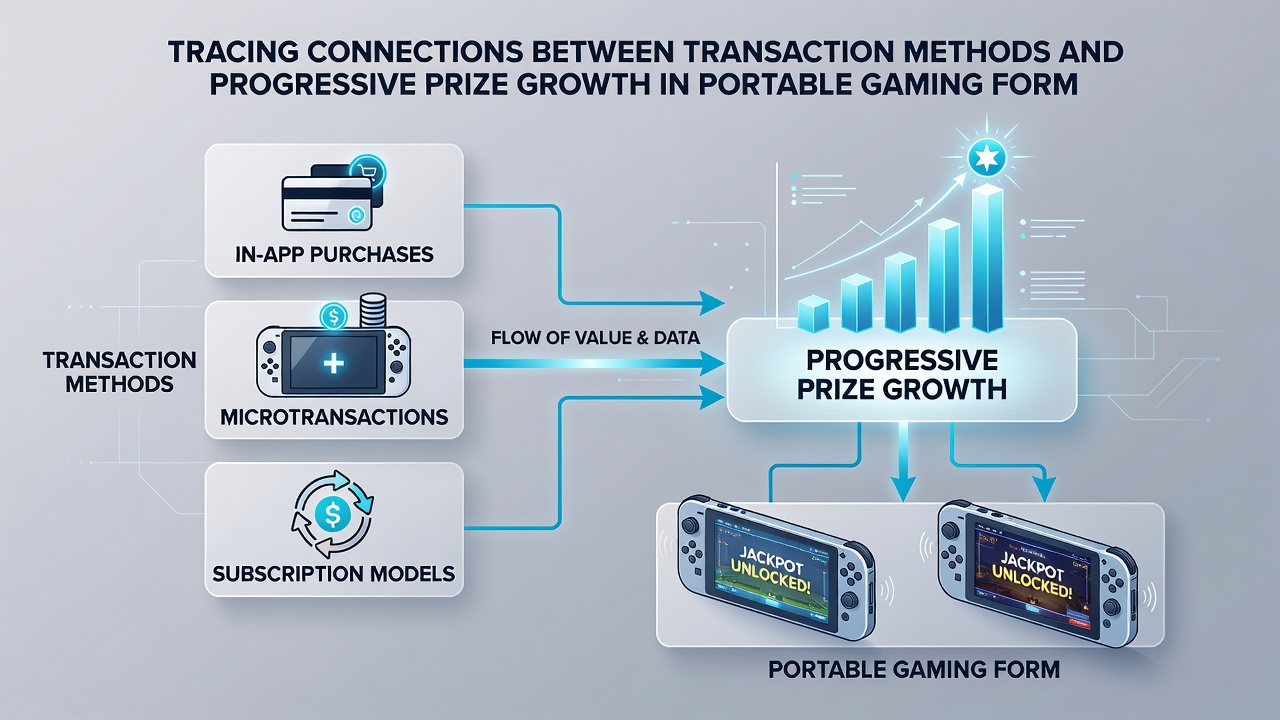
Regional Regulatory Shifts in September 2026
September 2026 brought updated compliance guidelines in several jurisdictions that explicitly address how transaction data must be reported for progressive systems. Regulators in Nevada and parts of the European Union required operators to log the payment method used for every wager contributing to a shared jackpot, creating new datasets that allow clearer tracing of which rails correlate with faster pool expansion.
Early returns from these reporting requirements show that digital wallet transactions accounted for sixty-one percent of all progressive contributions on portable devices during the first two weeks of the month, while card-based methods contributed twenty-nine percent. Observers note that the remaining share came from prepaid vouchers and cryptocurrency rails, each displaying distinct daily growth signatures when plotted against time of day.
Case Examples from Mobile Platforms
Take one European operator that introduced a new instant bank transfer option in mid-2025. Within eight weeks the average progressive jackpot on its flagship mobile slot grew to trigger thresholds twelve days faster than the prior quarter, according to internal performance summaries shared with industry partners. The increase aligned with a documented rise in deposit frequency among existing users rather than an influx of new registrations.
Another example comes from a North American platform that segmented its user base by preferred transaction method. Players using low-friction wallets contributed 2.3 times more handle per active day to the progressive meter than those relying on manual bank uploads. These differences persisted across age groups and geographic sub-regions, suggesting the effect stems primarily from transaction friction rather than demographic variables.
Conclusion
Transaction methods shape progressive prize growth in portable gaming formats through measurable differences in payment speed, fee impact, and resulting wager volume. Regulatory changes implemented in September 2026 have begun supplying granular data that further clarifies these connections across regions. Operators and analysts continue to examine how evolving payment technologies will alter the pace at which mobile progressive pools expand in coming reporting periods.