Shifting Bingo Protocols: How Core Mechanics Adapt Within Pocket-Sized Variants and Influence Retention on Fresh Platforms
Kirjoittanut Rosa Frank · 27.10.2026
Shifting Bingo Protocols: How Core Mechanics Adapt Within Pocket-Sized Variants and Influence Retention on Fresh Platforms
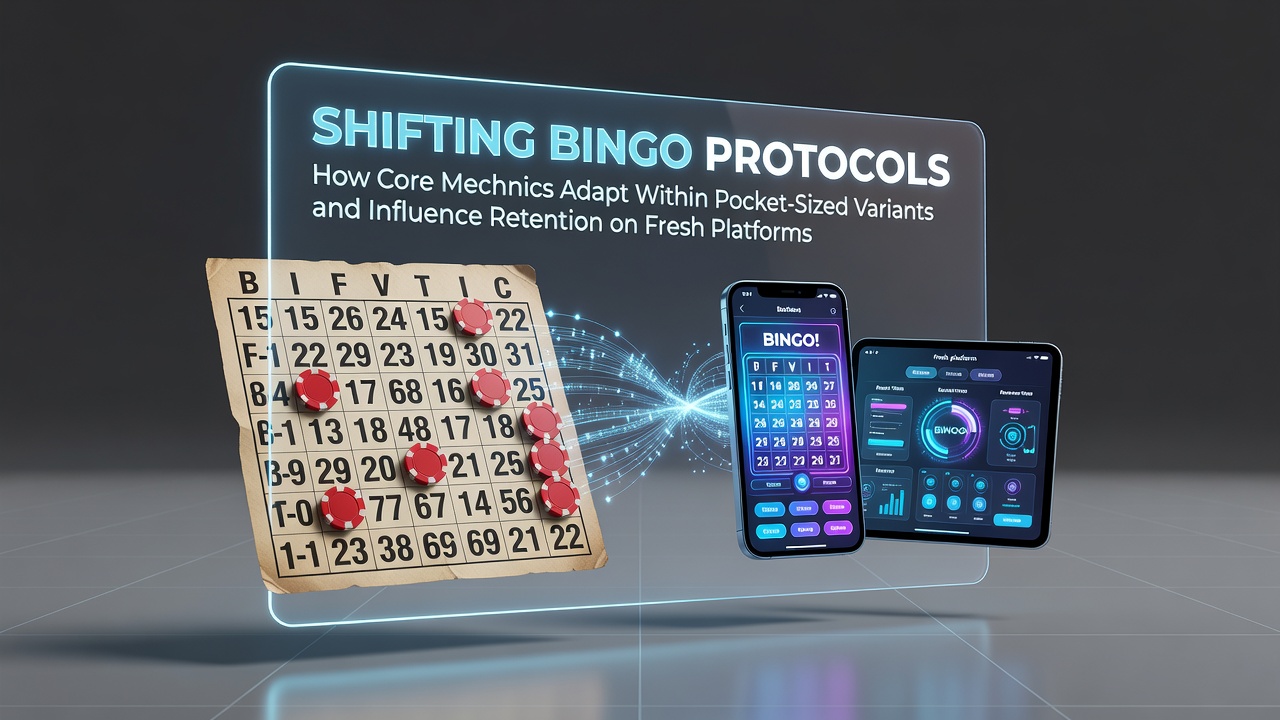
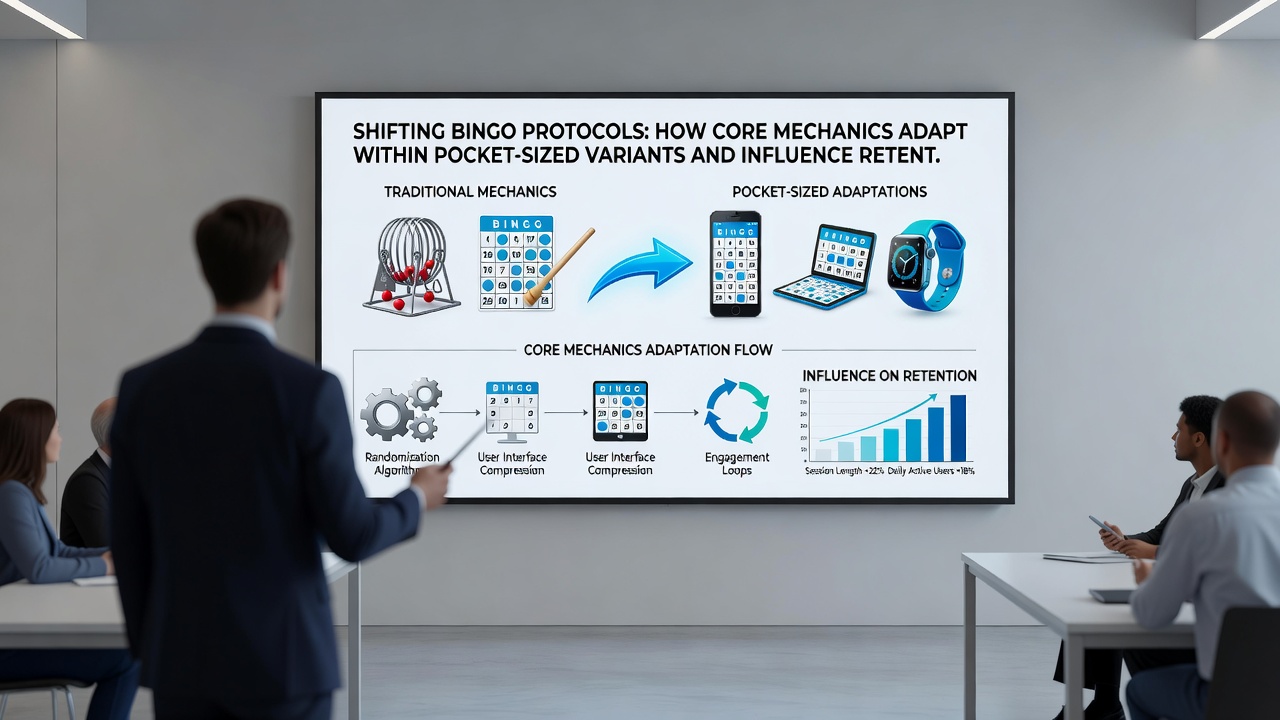
Data from multiple gaming analytics firms shows that core bingo mechanics have undergone targeted adjustments in mobile formats since the mid-2020s, with these changes directly correlating to measured retention metrics on emerging platforms. Observers note that traditional 75-ball and 90-ball structures often compress into shorter rounds or hybrid patterns when developers target pocket-sized devices, allowing sessions to complete in under five minutes rather than the longer intervals common on desktop versions.
Mechanics That Shift in Mobile Environments
Research indicates that auto-daub functions and simplified calling sequences appear more frequently in applications designed for smaller screens, while pattern recognition elements receive visual streamlining through larger touch targets and animated highlights. According to reports compiled by the Australian Gambling Research Centre, these modifications emerged prominently in variants released during 2025, where developers reduced the number of active cards per player to maintain clarity on devices with limited display real estate. Yet the same studies reveal that progressive jackpot linkages remain intact across many pocket-sized iterations, preserving the accumulation mechanics that drive longer-term engagement even as individual games accelerate.
Those who track platform metrics have documented how real-time chat overlays and social sharing tools integrate directly into the bingo interface on fresh applications, replacing separate forum access with in-game prompts that appear after each round completes. This integration allows players to maintain community connections without exiting the session, a shift that data from North American operators shows supports session extension by an average of 12 percent compared with earlier mobile releases lacking embedded communication features.
Retention Patterns Across New Platforms
Figures released in October 2026 by Canadian regulatory bodies tracking online gaming activity demonstrate that platforms introducing adaptive bingo protocols recorded higher month-over-month retention rates than those maintaining legacy desktop mechanics without modification. The adjustments often involve dynamic ticket pricing scaled to session length, enabling users to select shorter commitments during brief mobile usage windows while still participating in larger prize pools that carry over across multiple short rounds.
One documented case involves a European operator that introduced staggered ball-call speeds adjustable by the player, resulting in a measurable uptick in daily active users who returned within 48 hours of their initial session. Researchers at institutions studying digital gaming behavior note that such flexibility addresses the fragmented attention patterns typical of mobile usage, where interruptions occur more frequently than in stationary play environments. The same reports highlight that retention gains appear most pronounced when these mechanic shifts accompany platform-specific onboarding sequences that introduce the adapted rules gradually rather than presenting them all at once.
Platform-Specific Influences on Engagement
Industry data compiled across multiple jurisdictions shows that fresh platforms entering the mobile bingo space in 2026 frequently pair mechanic adaptations with localized payment integrations, though the core protocol changes themselves focus on pacing and interface responsiveness. Experts observing these developments point out that retention curves flatten when mobile variants fail to account for variable network conditions, leading developers to incorporate offline mode options that preserve progress in pattern completion even during temporary connectivity loss.
Studies conducted by the International Center for Responsible Gaming further indicate that platforms incorporating haptic feedback tied to ball calls and pattern matches experience stronger repeat engagement among users who began on newer applications. These sensory additions complement the visual and temporal adjustments already made to the underlying bingo structure, creating a cohesive experience that aligns with device capabilities rather than replicating desktop conventions directly.
Conclusion
Evidence gathered through 2026 illustrates that protocol shifts in pocket-sized bingo variants center on pacing compression, interface simplification, and embedded social elements, each element tied to measurable retention outcomes on platforms that adopt them. Data continues to accumulate as operators refine these mechanics in response to usage patterns specific to mobile environments, while regulatory tracking from varied regions provides ongoing benchmarks for how such adaptations perform across different user bases. The patterns that emerge emphasize functional adjustments over wholesale reinvention, allowing established bingo frameworks to operate effectively within the constraints and opportunities presented by compact devices.