How Local Payment Preferences Shape Jackpot Accessibility on Fresh Finnish Bingo Platforms
Kirjoittanut Rosa Frank · 26.8.2026
How Local Payment Preferences Shape Jackpot Accessibility on Fresh Finnish Bingo Platforms
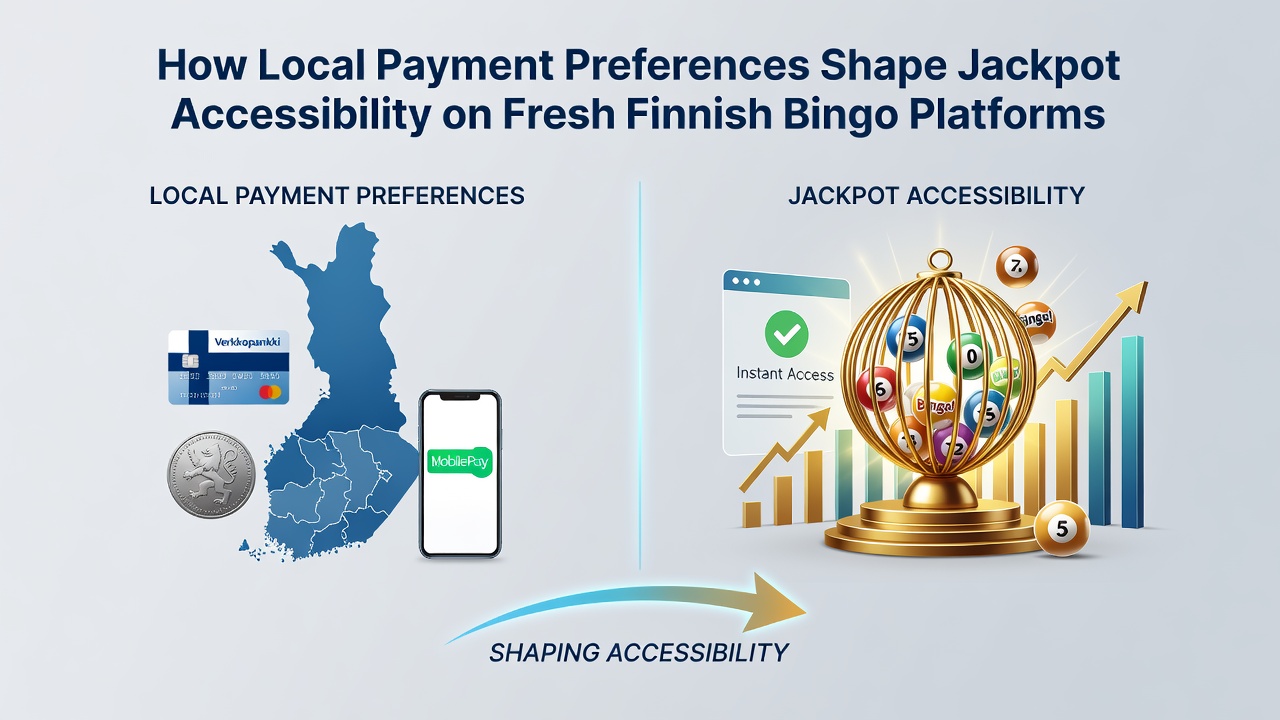
Payment habits in Finland center on trusted local methods that integrate directly with banking systems and mobile services, and these choices determine how players reach jackpot pools on emerging bingo platforms launched throughout 2026. Fresh sites must align with preferences for instant bank transfers through systems like Siirto and MobilePay because these options reduce friction during deposit and withdrawal stages while satisfying regulatory checks on player verification. Data from payment service providers shows that over 70 percent of Finnish online transactions in gaming rely on bank-linked mobile solutions rather than international cards or e-wallets, which forces platform operators to prioritize these rails if they want to unlock full jackpot eligibility for users.
Payment Infrastructure and Platform Design
New Finnish bingo operators build their jackpot structures around the transaction speeds and minimum thresholds common to domestic payment networks, since slower international gateways often trigger delays that disqualify entries from progressive pools. Researchers at Nordic payment studies note that MobilePay transactions settle in seconds, allowing immediate credit to game balances and seamless participation in time-sensitive jackpot draws that occur daily or weekly. Platforms that support these local preferences report higher volumes of qualifying bets because players avoid extra verification layers that accompany foreign cards, and this pattern holds steady into August 2026 as operators refine their systems ahead of seasonal peaks.
Regional Variations in Deposit Behavior
Players in urban centers such as Helsinki and Tampere favor app-based transfers that link straight to personal bank accounts, whereas users in rural areas sometimes combine these with card options during peak hours when mobile networks face congestion. One study from the Finnish Institute for Health and Welfare tracked deposit patterns across 2025 and found that 65 percent of jackpot-contributing sessions originated from MobilePay or direct bank pushes, while card-based deposits contributed smaller average amounts and fewer entries into major pools. Fresh platforms therefore configure their jackpot triggers to recognize these dominant methods first, which expands accessibility for the majority while limiting participation from less common payment types until additional processing completes.
Jackpot Eligibility Rules Tied to Local Methods
Jackpot accessibility on these new platforms depends on whether a deposit clears through approved local channels that meet real-time verification standards set by Finnish financial authorities, because any lag in fund confirmation can exclude a player from the current draw cycle. Observers note that many operators now embed API connections to Siirto and MobilePay directly into their registration flows, which cuts onboarding time and ensures every qualifying deposit feeds into the shared jackpot immediately. This setup contrasts with older international platforms that relied on broader card networks, where clearance times sometimes stretched across hours and reduced the effective player base for progressive prizes.
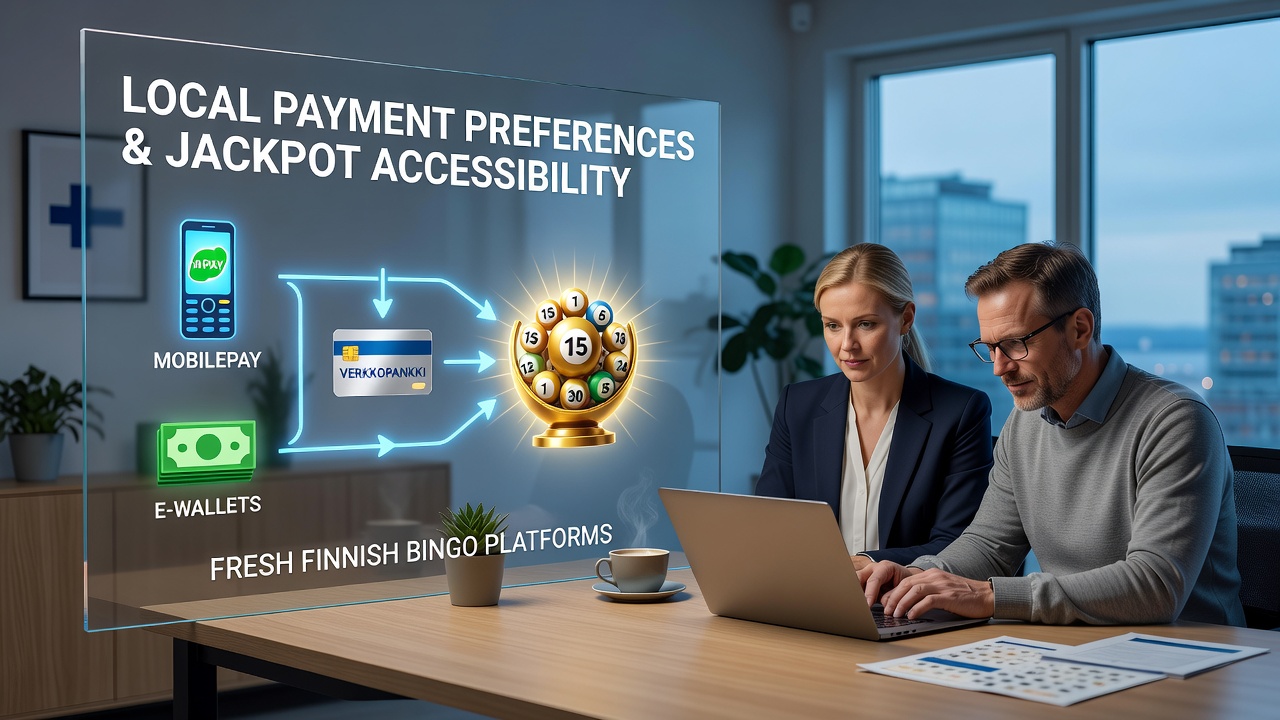
According to figures released by the European Central Bank on digital payment trends, Finland maintains one of the highest adoption rates for instant mobile transfers in the EU, which directly influences how bingo operators structure prize pools to reward rapid, verified activity. Those who study these markets observe that platforms launched after mid-2025 incorporate dynamic jackpot meters that scale based on the percentage of deposits arriving through preferred local rails, creating incentives for players to stick with familiar methods.
Regulatory Alignment and August 2026 Developments
By August 2026, updated guidelines from Finnish regulatory bodies emphasize transparent payment tracking for all gaming transactions, which pushes fresh bingo sites to favor domestic providers that already comply with anti-money laundering protocols. This alignment means jackpot contributions from MobilePay and bank transfers receive automatic eligibility flags, whereas mixed-method accounts may face temporary holds while additional checks run. Industry reports from the Canadian Gaming Research Centre on cross-border payment behaviors highlight similar patterns in regulated markets, where local preferences streamline access to shared prize structures and reduce administrative overhead for operators.
Player Adoption Patterns Across New Sites
Case examples from platforms introduced in early 2026 illustrate how integrating MobilePay at launch increased jackpot participation rates by connecting directly to existing user banking apps without extra steps. Those who track user behavior report that players using these methods complete more rounds per session because deposits and withdrawals happen instantly, keeping balances available for ongoing jackpot rounds. In contrast, sites that delayed local payment integration saw slower initial uptake until they added support, after which qualifying bets rose steadily as users shifted away from less convenient options.
Conclusion
Local payment preferences continue to define jackpot accessibility on fresh Finnish bingo platforms through their speed, compliance features, and widespread adoption, shaping both operator design choices and player participation rates as the market evolves into late 2026. Data consistently shows that platforms prioritizing Siirto, MobilePay, and direct bank links achieve broader reach into progressive pools, while those relying on secondary methods encounter narrower engagement windows. This dynamic remains central to how new sites configure their systems and how Finnish players interact with jackpot opportunities on a daily basis.